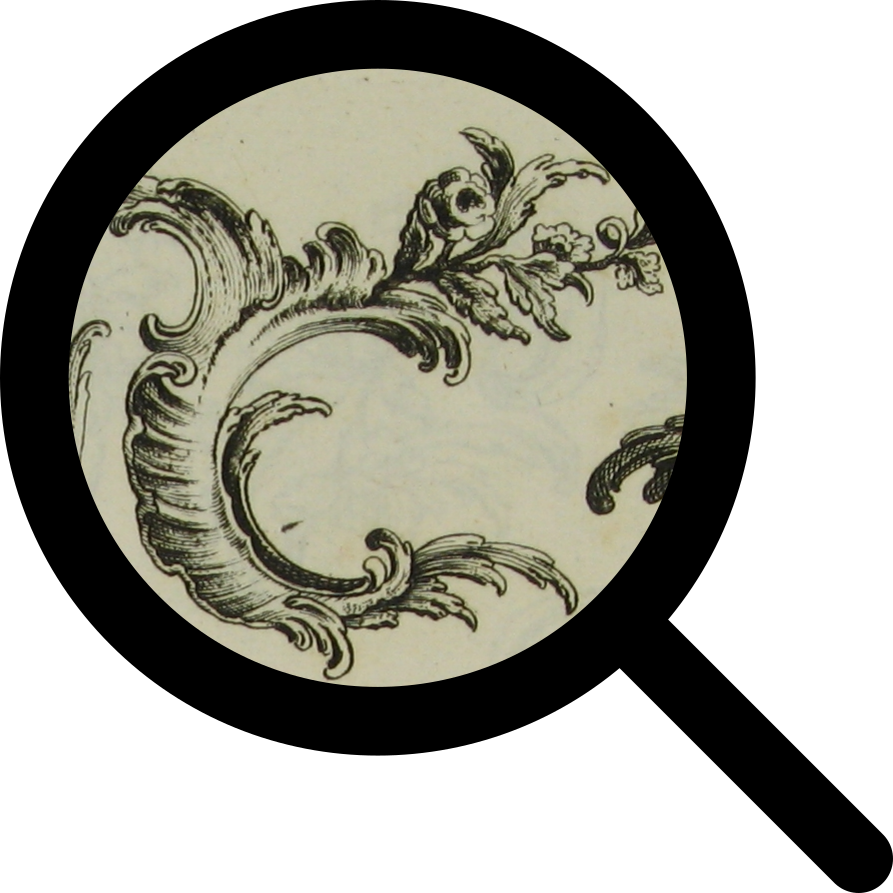
The Rocaille - A Distinctive Ornament Of The Rococo
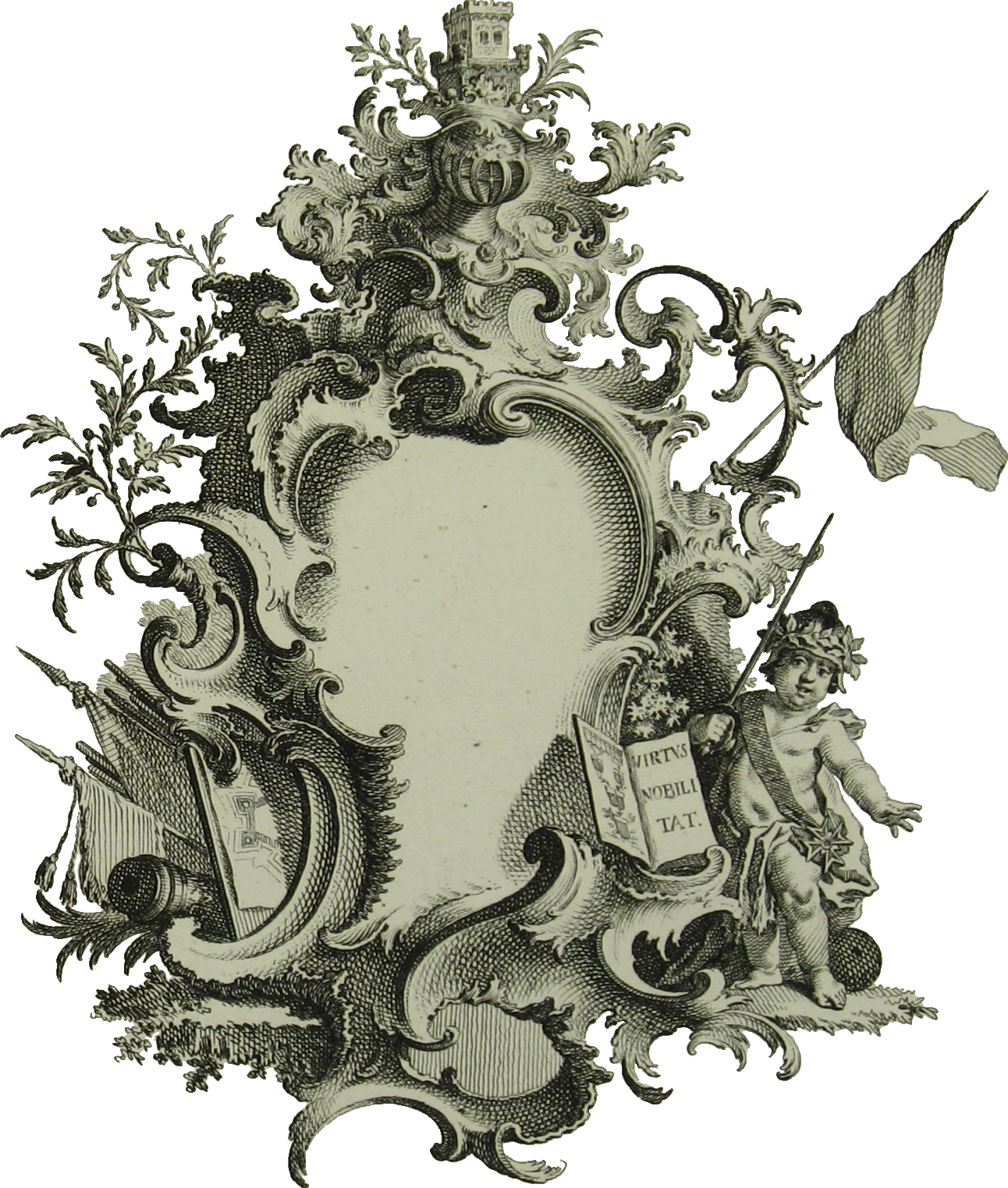
Like shell or bark, like rock or foam – no other European ornament seems at the same time as diverse and as distinctive as the rocaille, the predominant form of the Rococo. Each composition can be understood as having a skeleton of C-and S-shaped curves, and shell-like, sculptural ridges attached to this asymmetrical framework. These extensions unfold in an organic, even dynamic way, suggesting a plethora of materials and objects. The ornamental fashion spread throughout Europe between 1730 and 1770 and became an important topic of studies in art history. Nevertheless, central questions remain unanswered.
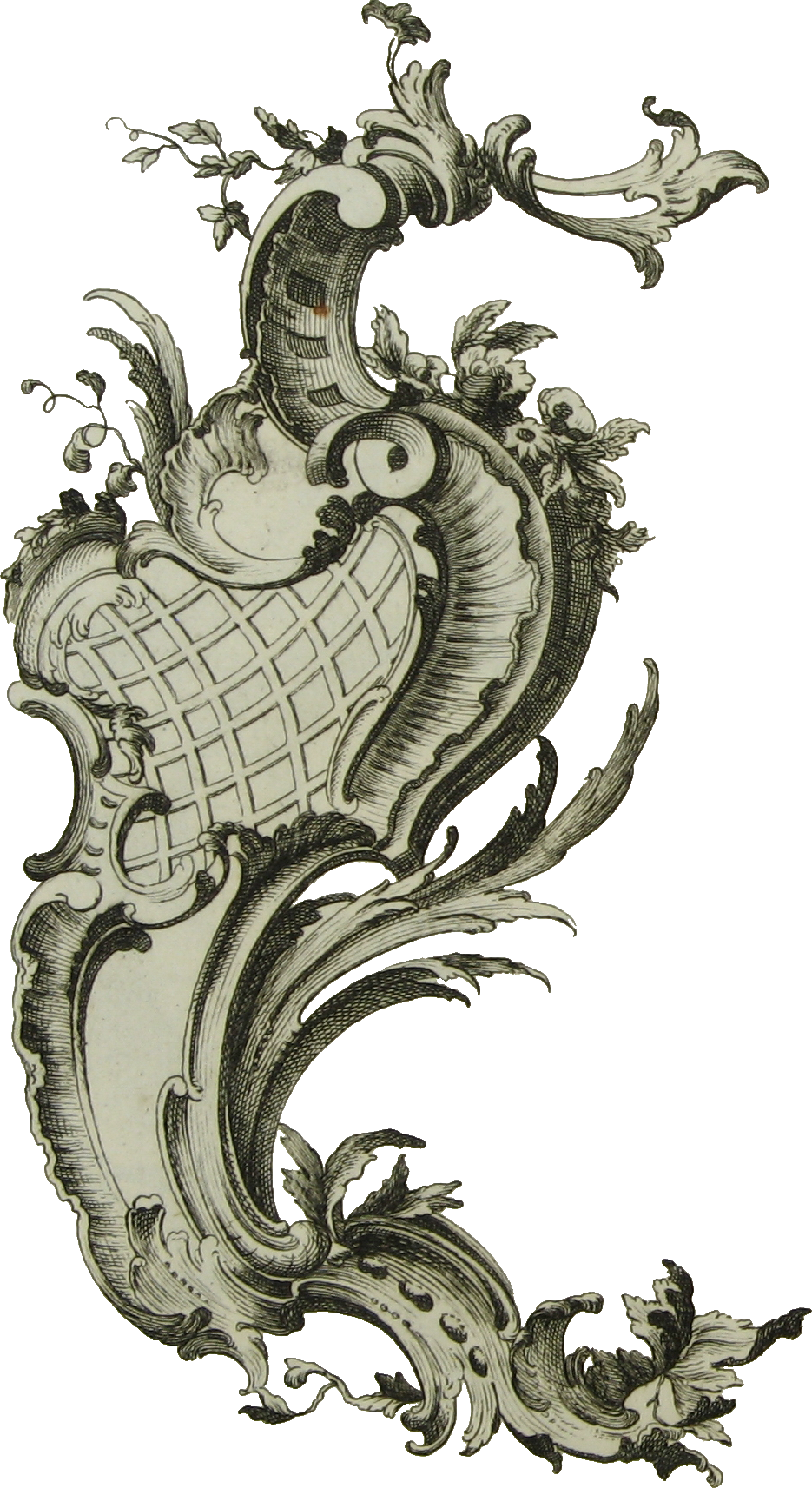
To address problems like the authorship und circulation of ornamental compositions, like their use and meaning, we developed a search engine able to identify Rocaille forms similar to those in any uploaded picture or text (coming soon). The data base consists exclusively of ornamental prints published in Augsburg, an important hub for printmaking in the 18th century. The classification is based on morphology only and independent of the depicted object or scene.
The Search Engine
This website and its backend were developed to enable full text, fuzzy, and semantic search of a multi-modal dataset of text and image data. The database was implemented using PostgreSQL and utilizes PostgREST to present itself as a RESTful API, which can be made publicly exposed, if any interest arises. The semantic search (coming soon) utilizes a vision language model (VLM) in combination with multi-modal retrieval-augmented generation (RAG). The frontend (this website) was made using Go and HTMX.
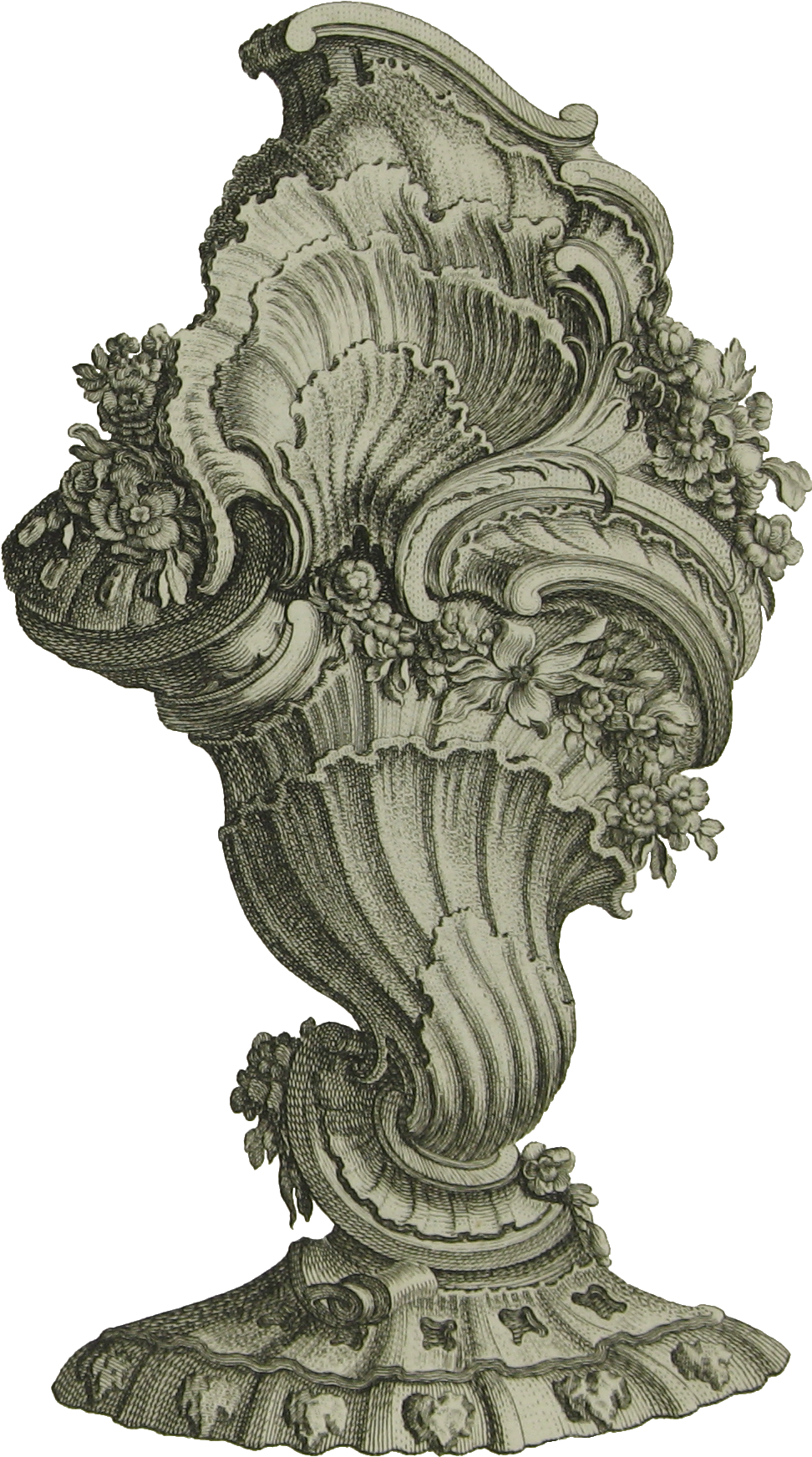
The search engine was developed 2022-2025 by Julian Jachmann and Ines Röckl at the University of Regensburg (Art History), and Gabriel Zachmann and Thomas Hudcovic at the University of Bremen (Computer Science). The project was funded by the German Research Foundation (DFG) – Project Number 461631274.
Multimodal semantic search can be carried out by clicking the button right next to the search field. Recommended image formats are .jpg and .png . The search assigns ornament prints form Augsburg that may have been important for the design-process of the uploaded object. The database comprises 1605 digitalized prints and also allows full-text search.
Image courtesy of the following collections: Staatsgalerie Stuttgart, Graphische Sammlung; Staats- und Stadtbibliothek Augsburg, Graphische Sammlung; Staatliche Graphische Sammlung München.
The source code is available at our GitLab repository.
The paper can be found here.
Bibtex
We also presented a poster at "Zugang gestalten!" 2025 in Leipzig.